Sacred Soils
Exploring Soil in the Berkeley Community Garden and Alternative Models for Land Stewardship that center BIPOC and Immigrant communities and culture
Urban Planning | Community-based Work | Qualitative Research | April 2026
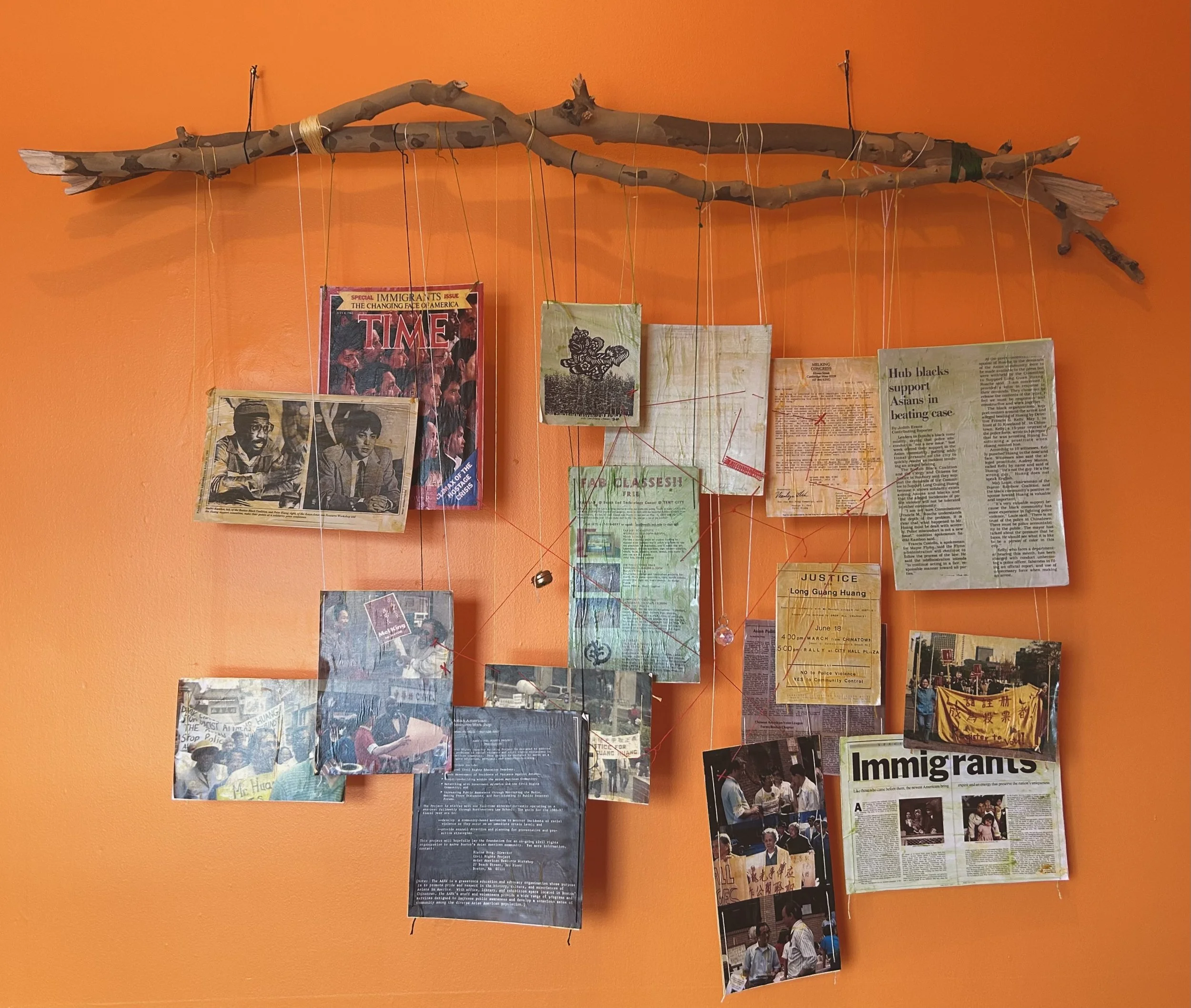
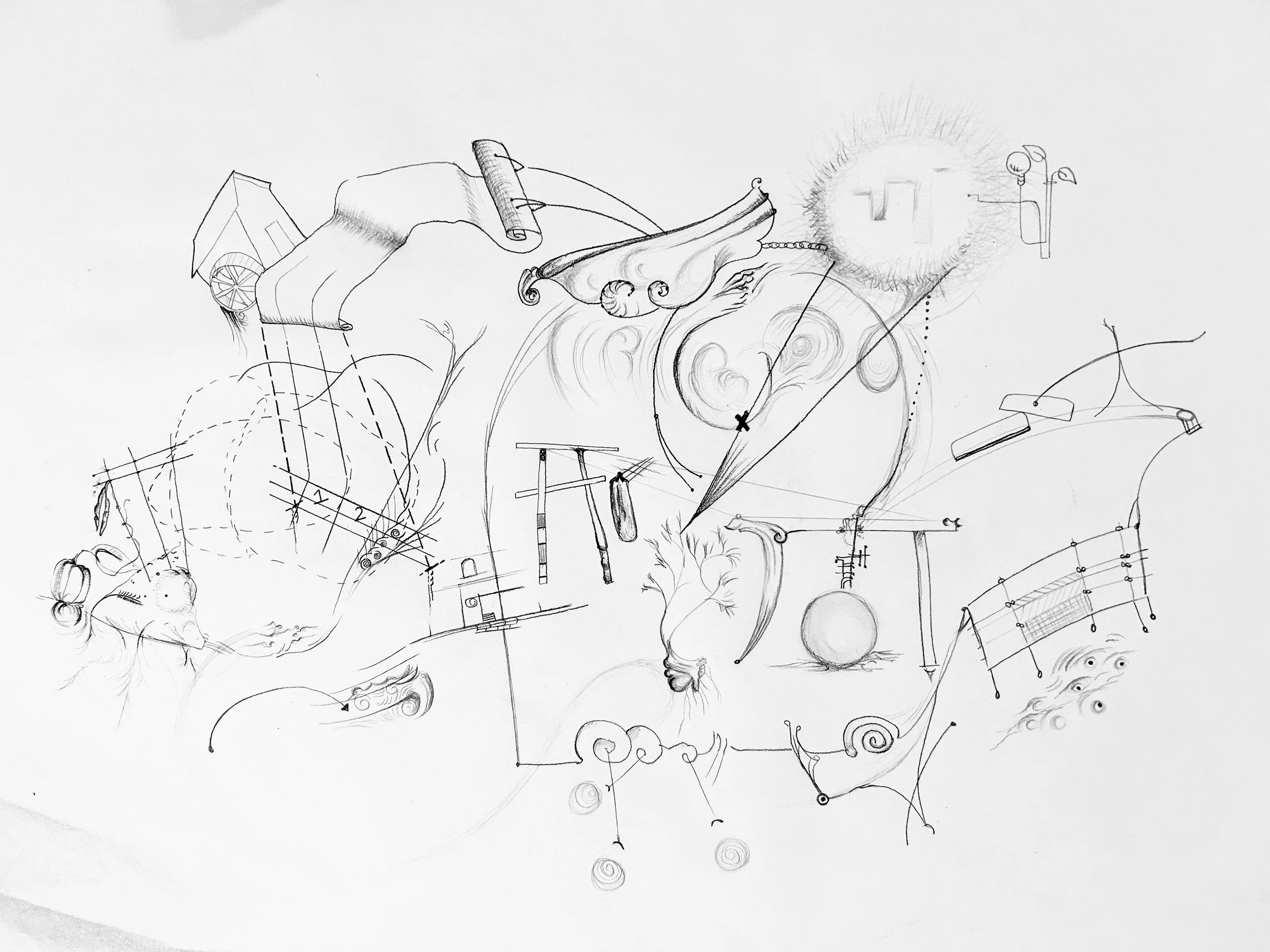
‘Two Connected Lights’
Archival Hanging Artwork, donated to Apprentice Learning
2026
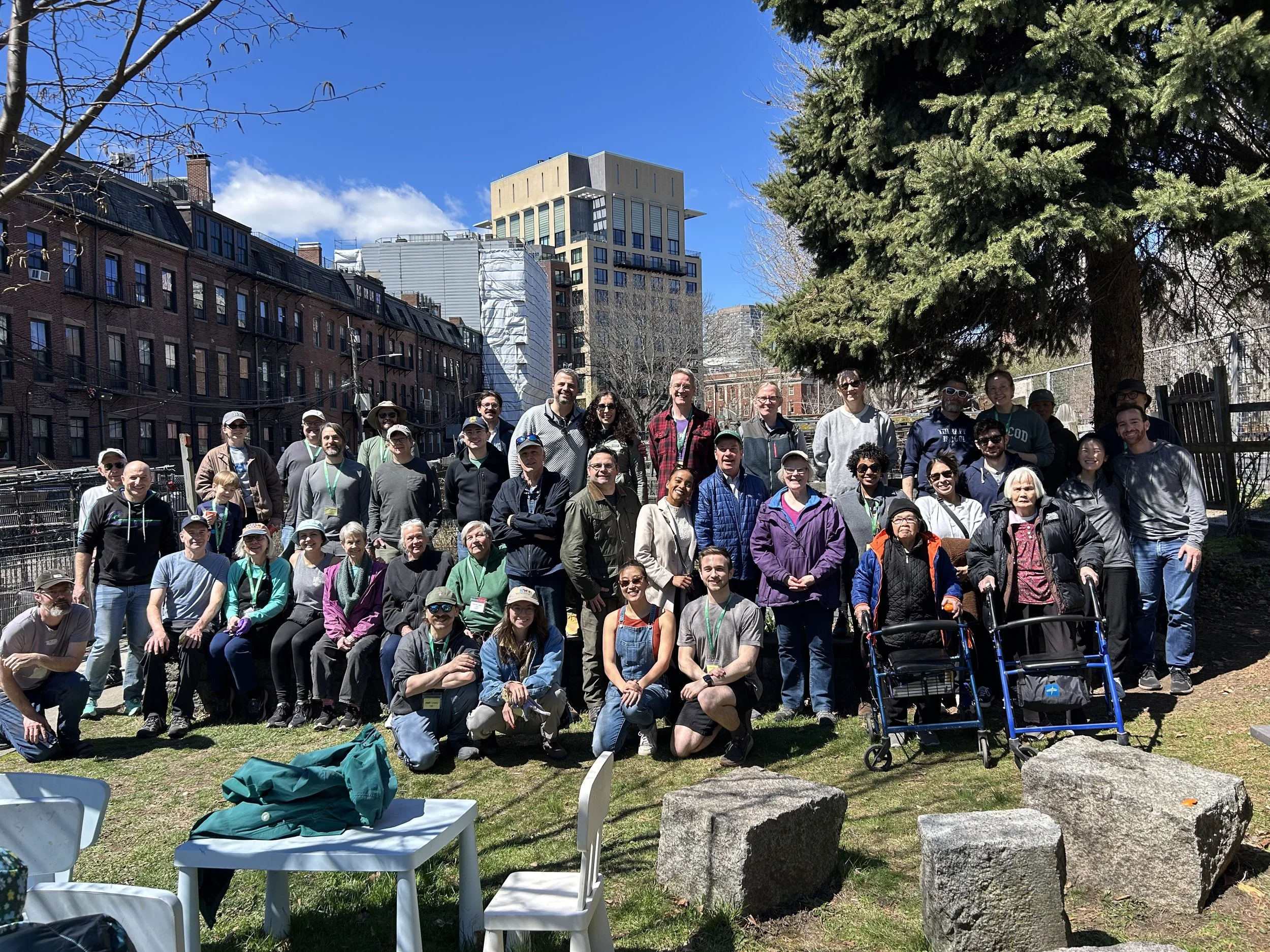
How do we conceive of soil today, and what does that perception reveal about the ways we govern land? This thesis reframes soil, reduced to static acreage within extractive economic models, as a relational, embodied, and reparative infrastructure that offers an alternative framework for land stewardship in cities shaped by violence and extraction. Grounded in a case study of the Berkeley Community Garden in Boston’s South End, this project examines how community gardens operate as sites of regenerative repair that exist both within and beyond dominant capitalist definitions of ownership and value in city spaces. A central foundation for this research sits in compost and waste management.
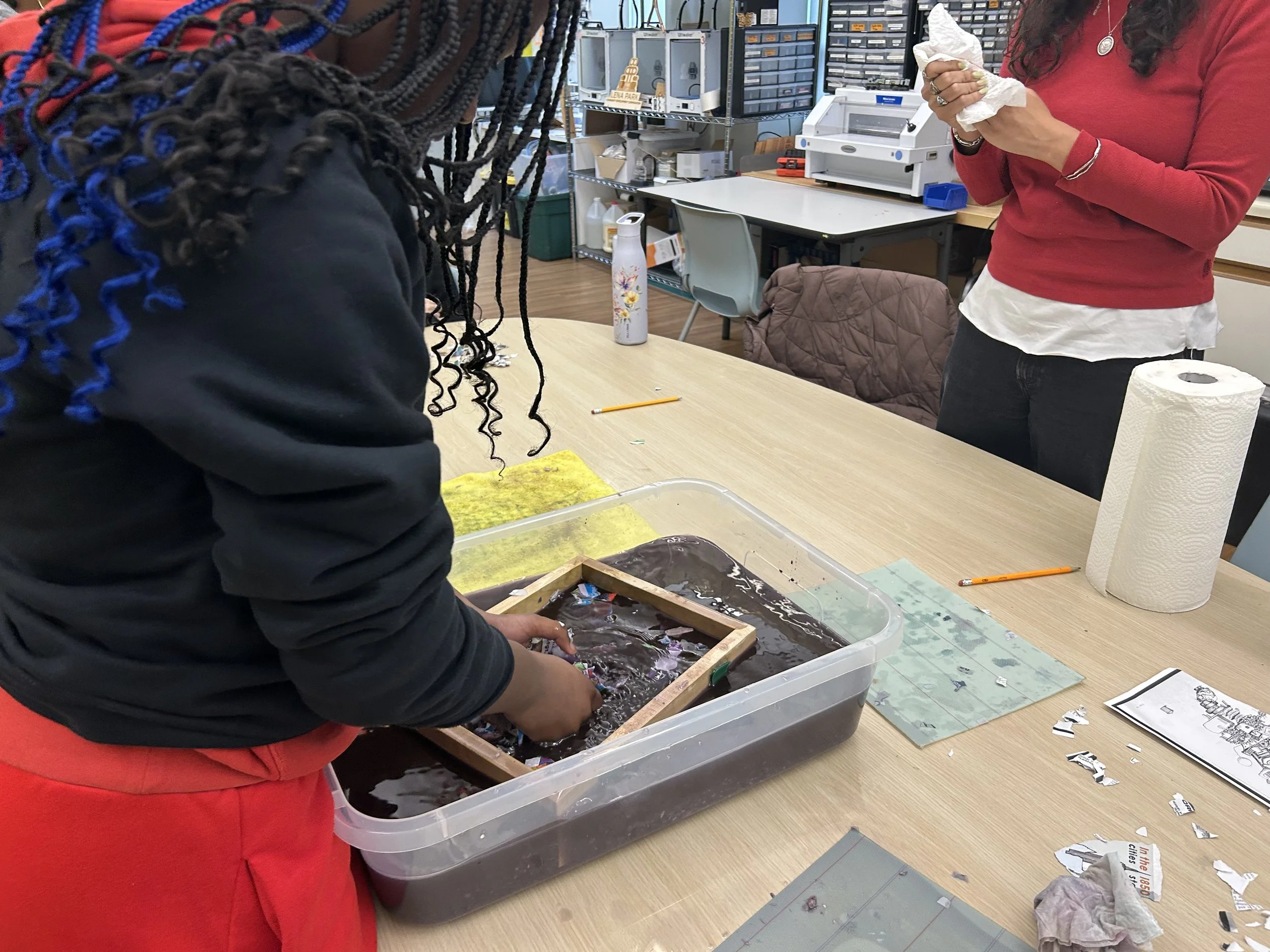
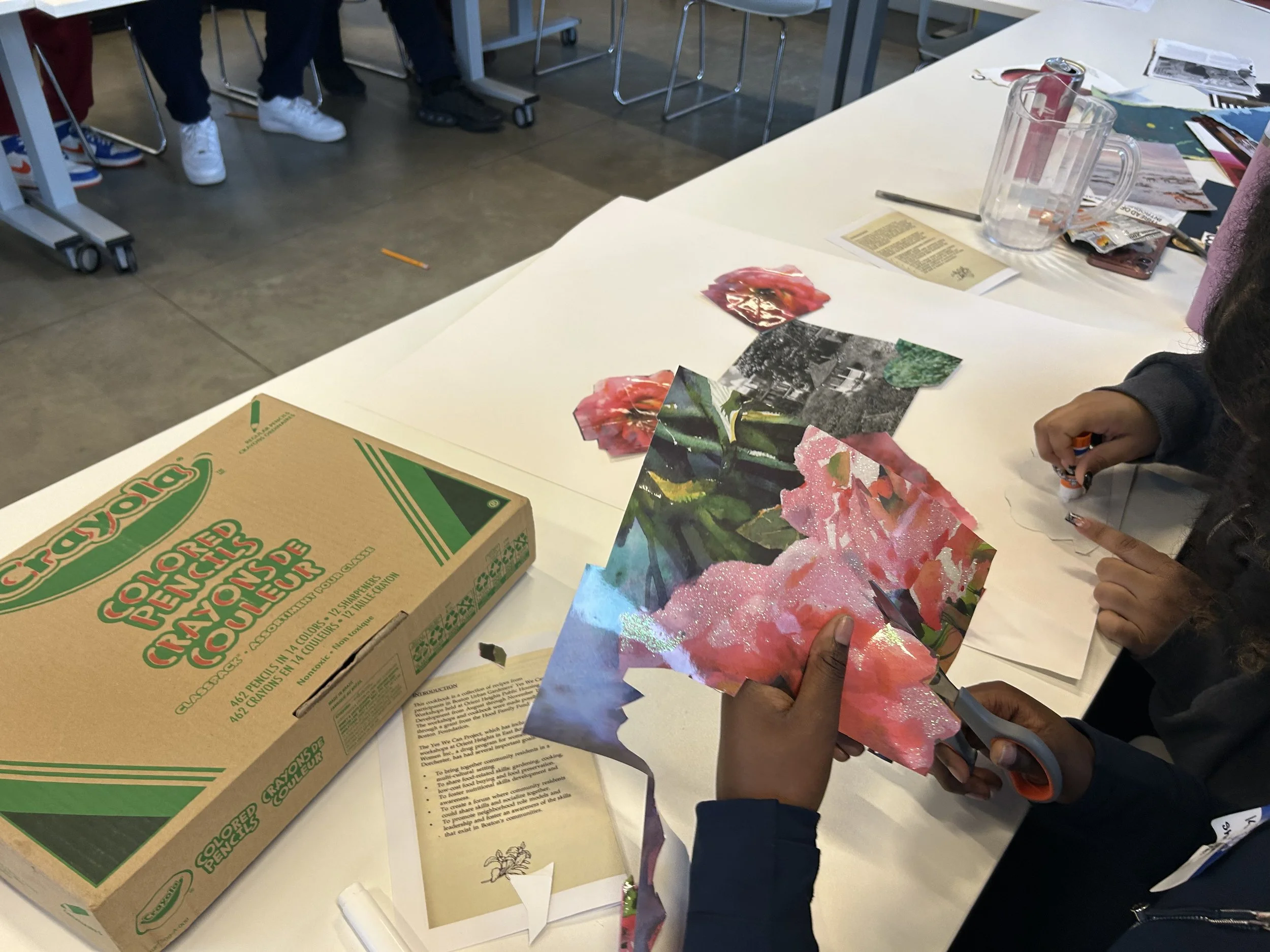
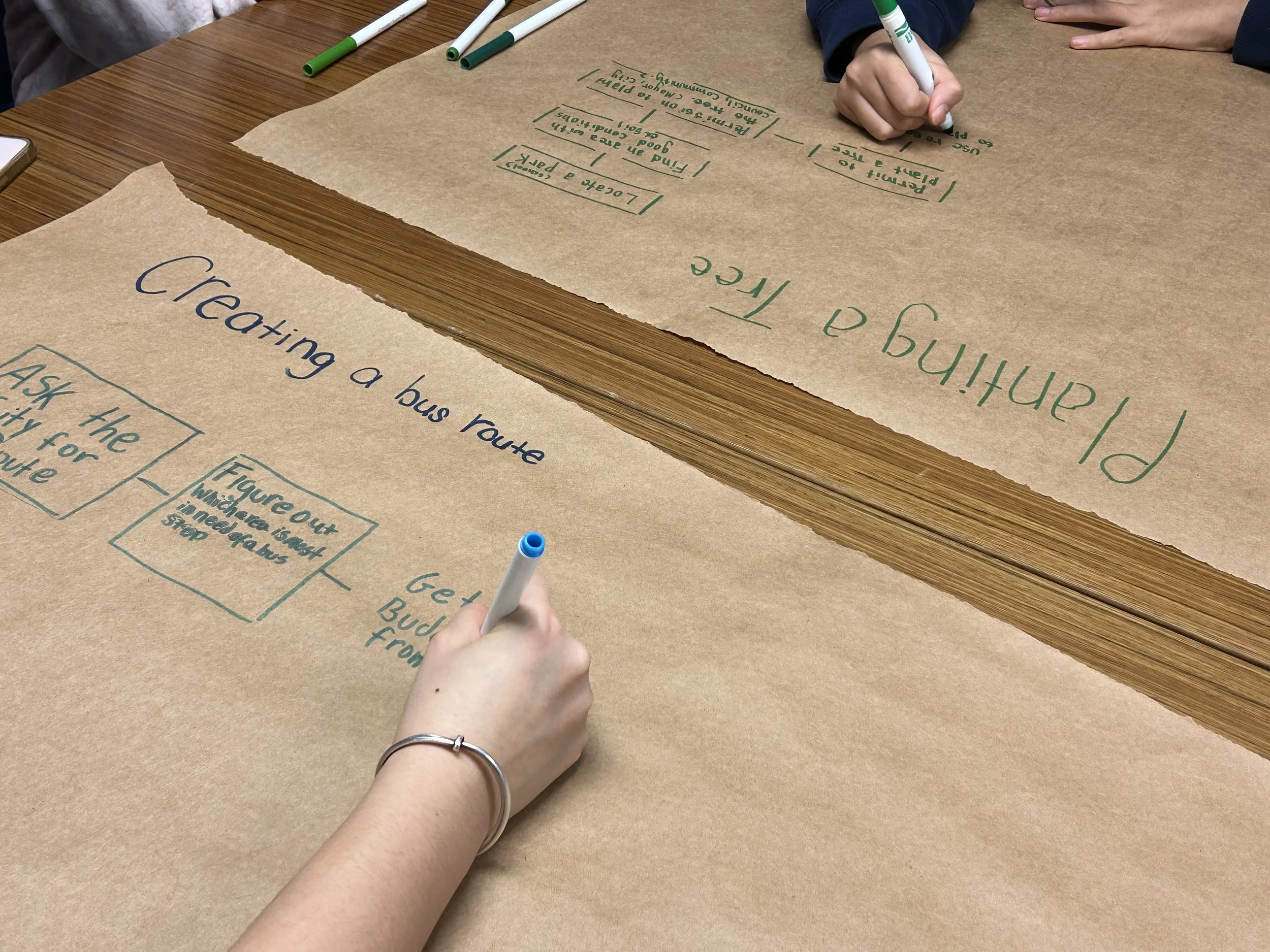
The thesis translates these insights through creative tools as a method for youth empowerment towards self-sovereignty. Eight collaboratively designed workshops were facilitated with the Asian Community Development Corporation, Future Chefs, and Apprentice Learning, three community organizations based across the city of Boston, to position young people as critical agents in redefining value, systems, and place through art-making and dialogue.
By bringing together stories of elder gardeners and experiments with young people, this project functions as a sutural process of reparations. Compost becomes both material practice and political metaphor: a regenerative process that challenges linear models of growth and opens possibilities for reparative, community-led approaches to governance. In doing so, the thesis positions soil as a critical site through which to rethink sovereignty, stewardship, and the conditions for equitable urban futures.
Published thesis forthcoming. Watch the thesis defense video here.